Can Trapped Emotions Cause Physical Pain? The Science of Stress, Cortisol, and Emotional Healing

Article Summary
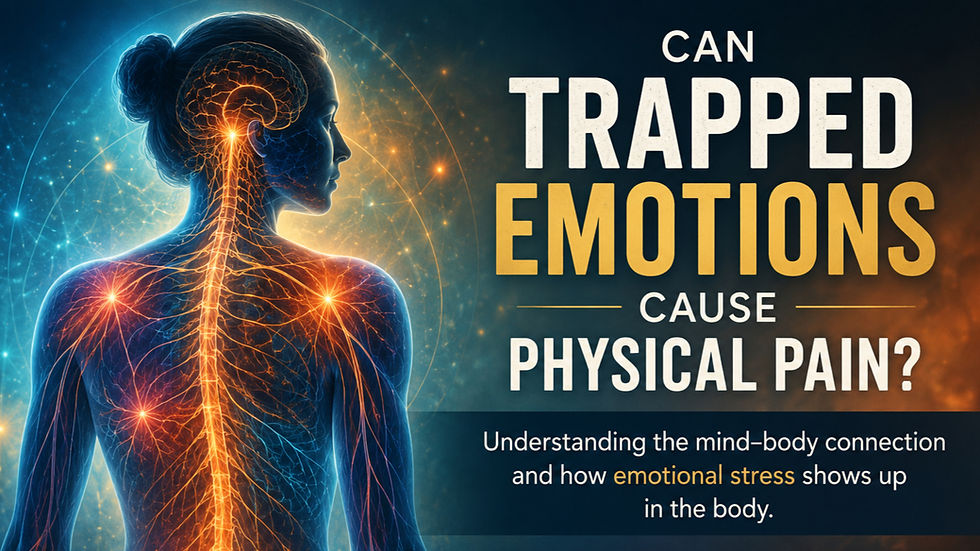
Can trapped emotions cause physical pain? While trapped emotions are not recognized as a medical diagnosis, science shows that chronic emotional stress can affect the nervous system, muscles, digestion, sleep, immune function, and overall well-being. In this article, you'll learn how stress affects the body, what"trapped emotions," means and why many people explore emotional healing as part of their journey toward better physical and emotional health.
Table of Contents
Quick Answer
Key Takeaways
What Are Trapped Emotions?
Can Trapped Emotions Cause Physical Pain?
The Science of Stress, Cortisol, and Physical Symptoms
Common Physical Symptoms Associated With Emotional Stress
What I See In Practice
The Nervous System Connection
What Happens During An Emotion Code Session?
Can Emotional Patterns Be Passed Down Through Families?
Frequently Asked Questions
Final Thoughts
About The Author
Quick Answer
Sometimes. Let me ask you something.
Have you ever noticed your shoulders tighten after an argument? Your stomach become unsettled before an important meeting? Your jaw clench when you're stressed? Your neck become stiff during a difficult week? Your lower back flare up during a challenging season of life? Most people have experienced at least one of these. That's because emotions don't just happen in the mind. They create real physical changes throughout the body.
When the brain perceives stress, it activates the nervous system and releases hormones such as cortisol and adrenaline. Muscles tighten. Digestion changes. Sleep becomes disrupted. The immune system adapts. The body prepares for survival. So when people ask whether trapped emotions can cause physical pain, the better question may be: Can unresolved emotional stress affect the body? Science says yes.
Dr. Bradley Nelson, creator of the Emotion Code, Body Code & Belief Code, suggests that unresolved emotional experiences may continue influencing the body long after the original event has passed. Whether you view that through the lens of emotional memory, nervous system conditioning, subconscious programming, or energetic imbalance, one thing is clear:
The body often remembers what the conscious mind has moved on from.
Key Takeaways
• Emotional stress creates measurable physical changes in the body.
• Chronic stress can affect sleep, digestion, immune function, muscle tension, and energy levels.
• It is proposed that unresolved emotional experiences may continue influencing the body and mind.
• The nervous system does not always distinguish between physical and emotional threats.
• Emotional healing should complement, not replace, professional medical care.
What Are Trapped Emotions?

The term "trapped emotion" was popularized by Dr. Bradley Nelson through the Emotion Code system. According to this model, a trapped emotion is an unresolved emotional experience that has not been fully processed.
Think about experiences such as:
• Grief
• Rejection
• Betrayal
• Fear
• Humiliation
• Heartbreak
• Loss
In an ideal situation, an emotion is meant to be felt, processed, and released naturally. Some experts suggest that the physiological lifespan of an emotion is surprisingly short, often lasting around 90 seconds before the body's chemical response begins to settle.
So why doesn't every emotion simply pass through?
Sometimes we're too overwhelmed or shocked to process what happened. Sometimes we suppress our feelings because they feel unsafe, embarrassing, or inconvenient. Sometimes we're taught to "stay strong," avoid vulnerability, or push emotions aside and keep moving.
Dr. Bradley Nelson proposes that when an emotional experience is not fully processed, a portion of that emotional energy may remain trapped and continue influencing our thoughts, behaviours, relationships, and physical well-being long after the original event has passed.
Can Trapped Emotions Cause Physical Pain?
This depends on who you ask.
From a conventional medical perspective, physical pain is influenced by biological, psychological, environmental, and social factors. From an energetic perspective, unresolved emotional experiences may also contribute to physical discomfort.
Interestingly, both perspectives agree on one important point: Stress affects the body. The disagreement lies in how that stress is stored and expressed. Whether you call it trapped emotions, emotional memory, nervous system conditioning, subconscious programming, or unresolved stress, the body often responds physically to emotional experiences.
For example: Most people would not question that anxiety can create a racing heart. Or that grief can create exhaustion. Or that chronic stress can create tension headaches. The real question is not whether emotions affect the body. The question is how much influence they have and whether unresolved emotional experiences can continue affecting the body over time.
The Science of Stress, Cortisol, and Physical Symptoms

Your body is designed to handle short periods of stress. Imagine a car suddenly swerves into your lane. Within seconds, your brain activates a survival response. Adrenaline rises. Cortisol increases. Heart rate accelerates. Blood flow shifts toward the muscles. Your senses become sharper. This response is designed to keep you alive. The problem begins when the body never receives the signal that the threat has passed.
Modern stress often looks like:
• Financial pressure
• Burnout
• Relationship conflict
• Caregiver responsibilities
• Work demands
• Chronic worry
The body frequently responds to these challenges using the same biological systems. Over time, chronic stress may contribute to:
• Muscle tension
• Digestive issues
• Sleep disturbances
• Fatigue
• Anxiety
• Reduced resilience
• Changes in immune function
• Increased inflammation
This is why many people notice physical symptoms appearing during emotionally difficult periods of life. The body and mind are not separate systems. They constantly influence one another.
Common Physical Symptoms Associated With Emotional Stress
Everyone experiences stress differently. Some people feel it emotionally. Others feel it physically. Common symptoms may include:
• Neck tension
• Shoulder discomfort
• Jaw clenching
• Tension headaches
• Lower back pain
• Digestive issues
• Fatigue
• Anxiety
• Poor sleep
• Difficulty relaxing
• Feeling emotionally stuck
These symptoms can have many causes. This is why proper medical assessment is always important. However, emotional stress is often an overlooked part of the conversation.
What I See In Practice
As a Certified Emotion Code & Body Code Practitioner, and Usui & Shamballa Reiki Practitioner, I work with clients locally in Hamilton, Ontario, Canada and online around the world. Many people come to me after trying multiple approaches, however, without any real change even after:
They've improved their diet.
They've taken supplements.
They've exercised.
They've worked with therapists.
During sessions we often identify the root of the emotional themes that connected to:
• Childhood experiences
• Relationship challenges
• Grief
• Chronic stress
• Fear of failure
• Rejection
• Self-worth
• Generational patterns
• Self-limiting beliefs
Many clients report feeling lighter, calmer, clearer, and more emotionally regulated after addressing these patterns. Every person's experience is different. However, emotional awareness is often a missing piece they had not previously considered.
The Nervous System Connection

One of the most important questions your nervous system asks is: Am I safe? When the answer is no, the body adapts.
Muscles tighten. Breathing changes. Sleep becomes lighter. Stress hormones increase. Attention shifts toward potential threats. The challenge is that many people become so accustomed to living in survival mode that it begins to feel normal. Over time, chronic stress can become the background noise of everyday life. When emotional stress is addressed, many people notice greater calm, resilience, clarity, and capacity to handle life's challenges.
What Happens During An Subconscious Healing Session?
The Emotion Code & Body Code, created by Dr. Bradley Nelson, that I use, is a form of biofeedback aka. muscle testing. The goal is to communicate with the subconscious mind and identify emotional imbalances that may be contributing to current challenges.
A session may explore:
• Trapped emotions
• Heart-Wall imbalances
• Limiting beliefs
• Generational patterns
• Emotional burdens absorbed from others
Once identified, these imbalances are released using intention and magnetic energy. One reason many people appreciate this approach is that they do not need to relive painful experiences or spend hours discussing trauma. The focus is on identifying patterns and creating space for change.
Can Emotional Patterns Be Passed Down Through Families?
Many people notice repeating patterns within their family.
Anxiety.
Scarcity.
Fear of success.
Relationship struggles.
Perfectionism that is followed by procrastination.
Self-sacrifice/ Martyrdom
Research in epigenetics suggests that stressful experiences can influence how genes are expressed across generations.
To take this concept a step further by proposing that emotional imbalances can also be inherited. Whether viewed through science, psychology, family systems, or energy healing, one observation remains consistent: Patterns often repeat until they become conscious. Awareness is where change begins.
Frequently Asked Questions
Can trapped emotions cause back pain?
There is no scientific evidence proving that trapped emotions directly cause back pain. However, chronic emotional stress can contribute to muscle tension, inflammation, altered posture, nervous system dysregulation, and increased pain sensitivity.
From a holistic perspective, many practitioners associate lower back discomfort with feelings related to safety, security, financial stress, support, and survival. When people experience prolonged worry about money, relationships, family responsibilities, or their future, they often notice increased tension throughout the lower back and hips. While back pain should always be properly evaluated by a healthcare professional, exploring emotional stress as part of the bigger picture may provide valuable insight.
Can trapped emotions cause shoulder pain?
Many people notice increased neck and shoulder tension during stressful periods of life. Scientifically, stress activates the sympathetic nervous system, often causing muscles around the neck, shoulders, and upper back to tighten in preparation for perceived danger.
From an emotional perspective, shoulders are often symbolically associated with responsibility and burden. It's common to hear people say they are "carrying the weight of the world on their shoulders." Many holistic practitioners observe that individuals experiencing chronic stress, caregiving responsibilities, perfectionism, or difficulty asking for help may also experience persistent shoulder tension. Physical symptoms should always be properly assessed by a healthcare professional.
Can trapped emotions affect sleep?
Yes, emotional stress can significantly influence sleep quality.
When the nervous system perceives a threat, the body produces stress hormones such as cortisol and adrenaline. This state of heightened alertness can make it difficult to relax, fall asleep, stay asleep, or reach deeper restorative stages of sleep. From a holistic perspective, unresolved emotions may continue activating mental and emotional patterns long after the original event has passed, making it difficult for the mind and body to fully settle. Many people report improvements in sleep after addressing chronic stress, emotional overwhelm, anxiety, or unresolved emotional experiences.
How do I know if I have trapped emotions?
The Emotion Code suggests that trapped emotions may reveal themselves through recurring emotional patterns, emotional triggers, self-sabotaging behaviours, relationship challenges, feelings of being stuck, or persistent stress.
Some people also notice physical symptoms that seem to intensify during emotionally challenging periods of life.
This does not automatically mean a trapped emotion is present, but it may indicate that unresolved emotional stress deserves further exploration.
One of the most common signs people report is reacting more intensely to situations than the circumstances appear to warrant. This may suggest that an older emotional experience is still influencing the present moment.
Can subconscious healing sessions be done online?
Yes.
Many subconscious healing practitioners, including Emotion Code and Body Code practitioners, commonly work with clients remotely.
These sessions typically use muscle testing and intention-based techniques to identify emotional imbalances, limiting beliefs, generational patterns, and other energetic stressors.
While the exact mechanisms behind remote energy-based work remain debated, many practitioners and clients report meaningful results regardless of physical distance. Online sessions can be particularly convenient for individuals who do not have access to a local practitioner or prefer receiving support from the comfort of their own home.

Final Thoughts
Your body is always communicating. Sometimes through emotions. Sometimes through symptoms. Sometimes through recurring patterns that seem to follow you throughout life. The goal is not to blame every symptom on trapped emotions. The goal is to recognize that emotional experiences have real effects on the body.
When we begin listening to those signals instead of fighting them, we often gain valuable insight into what the body may be asking for. Healing begins with awareness. And awareness creates the opportunity for change.
About The Author
Krisztina (Pal) Balint is a Certified Emotion Code & Body Code Practitioner, Usui & Shamballa Reiki Practitioner and founder of The Pal Emporium. She helps individuals identify and release emotional imbalances, self-limiting beliefs, generational patterns, and energetic stressors through subconscious healing techniques. Her mission is to help people reconnect with their inner wisdom, regulate their nervous system, and become their own healer.
Work With Krisztina
Ready to explore whether unresolved emotional stress may be contributing to your challenges?
Learn more about Subconscious Healing Sessions or book an appointment online.
Connect With The Pal Emporium
For daily insights on subconscious healing, trapped emotions, nervous system regulation, Reiki, and self-healing:
Instagram: @pal.emporium
YouTube: @pal.emporiumofficial
Sources & Further Reading
The following resources were consulted to support the scientific and educational information presented in this article:
National Center for Complementary and Integrative Health (NCCIH)
Stress and its effects on physical and mental health.
National Center for Complementary and Integrative Health (NCCIH)
Let's Talk About Stress and Stress Research.
National Institutes of Health (NIH)
Immunology of Stress: A Review Article.
Mayo Clinic
Chronic Stress Puts Your Health at Risk.
https://www.mayoclinic.org/healthy-lifestyle/stress-management/in-depth/stress/art-20046037
Cleveland Clinic
Stress: What It Is, Symptoms, Management & Prevention.
Discover Healing
The Emotion Code® and Trapped Emotions Framework developed by Dr. Bradley Nelson.
Important Note
This article is intended for educational and informational purposes only. The Emotion Code®, Body Code®, Reiki, and other holistic wellness approaches discussed in this article are not intended to diagnose, treat, cure, or prevent any disease. Always consult a qualified healthcare professional regarding any medical symptoms, diagnosis, or treatment decisions.


Comments